
From the 30-Sensex firms, Adani Ports, HCL Tech, Power Grid, Trent, Bharat Electronics and Bharti Airtel were among the biggest laggards. However, Tata Steel, Asian Paints, Hindustan Unilever, and Eternal were among the gainers.

The Indian rupee depreciated by 34 paise to close at 93.78 against the US dollar, marking its third consecutive session of decline. This fall is attributed to escalating crude oil prices driven by uncertainty surrounding US-Iran peace talks and fresh attacks in the Strait of Hormuz, alongside significant foreign institutional investor outflows from domestic equity markets.

The Indian rupee appreciated by 23 paise to settle at 92.91 against the US dollar, driven by a weakening American currency, retreating crude oil prices, and renewed foreign institutional investor (FII) inflows amid increasing hopes of easing geopolitical tensions.
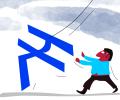
The Indian rupee depreciated by 28 paise to settle at 93.44 against the US dollar, influenced by ongoing uncertainties surrounding West Asia peace negotiations, volatile crude oil prices, and the Reserve Bank of India's recent adjustments to non-deliverable forward market regulations.
From the 30-Sensex firms, ITC tanked 9.69 per cent, following Bajaj Finance, Asian Paints, Bharat Electronics and ICICI Bank. In contrast, NTPC, Eternal, Mahindra & Mahindra, Larsen & Toubro and Power Grid were among the gainers.
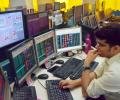
Among Sensex firms, Eternal, Sun Pharma, Infosys, HDFC Bank, HCL Tech, Hindustan Unilever, Power Grid, ITC and Adani Ports were the major gainers. However, Tata Motors, Trent, Bajaj Finance and Asian Paints were among the laggards.
The Indian rupee depreciated by 32 paise to close at 92.83 against the US dollar, influenced by escalating global tensions, particularly the US-Iran conflict, and the deadline for the RBI's instructions to banks to curb overnight positions.

From the Sensex firms, Mahindra & Mahindra, Maruti, Adani Ports, Bajaj Finserv, Titan, and HDFC Bank were among the major laggards. However, Hindustan Unilever, Trent, HCL Tech, Asian Paints, and Tata Steel were among the gainers.
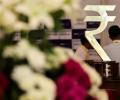
The Indian rupee gained 2 paise to settle at 93.33 against the US dollar, driven by positive sentiment in domestic equity markets and renewed hopes for US-Iran talks, despite rising WPI and CPI inflation.
Among Sensex firms, Sun Pharma, Tata Steel, Power Grid, Asian Paints, NTPC and Bharti Airtel were the biggest laggards. Tata Consultancy Services, Tech Mahindra, Infosys, Adani Ports, Axis Bank and HCL Tech were among the gainers.

From the 30-Sensex firms, Trent, Larsen & Toubro, Reliance Industries, InterGlobe Aviation, Maruti, ITC, Adani Ports and Bharat Electronics were among the biggest laggards. In contrast, Eternal, ICICI Bank, Tech Mahindra, State Bank of India and Tata Consultancy Services were among the gainers.

From the 30-Sensex firms, Bharat Electronics, Power Grid, Tata Motors Passenger Vehicles, Asian Paints, Reliance Industries, and Bajaj Finserv were among the biggest gainers. However, HCL Tech, Kotak Mahindra Bank, ICICI Bank, and Sun Pharma were the laggards.

Among Sensex firms, Kotak Mahindra Bank, Larsen & Toubro, Mahindra & Mahindra, Maruti, Bharti Airtel and Tata Steel were the major gainers. However, Asian Paints and Bajaj Finance were the laggards.

Reliance Industries cracked 4.42 per cent, while ITC, Kotak Mahindra Bank, InterGlobe Aviation, and HDFC Bank were also among the laggards. However, ICICI Bank, Sun Pharma, Hindustan Unilever, and State Bank of India were among the gainers.

Tech Mahindra, Adani Ports, HCL Tech, Tata Consultancy Services and Bajaj Finserv were also among the gainers. However, Trent, Eternal, UltraTech Cement and NTPC were among the laggards.
Among Sensex firms, Tata Consultancy Services, Tech Mahindra, Axis Bank, Bajaj Finance, Eternal, Infosys, Kotak Mahindra Bank and Bajaj Finserv were the major gainers. However, Tata Steel, Adani Ports, Power Grid and Titan were among the laggards.

'Only four or five original companies remain; the rest have been replaced every decade as sectors evolve or leadership shifts.' 'Companies that fail to adapt -- like many textile mills from the 1970s and shipping firms from the 1980s -- disappear.' 'Benchmark indices reward those who reinvent themselves in line with economic demands.'

Among Sensex firms, Infosys, Bharti Airtel, Adani Ports, Sun Pharma, Tech Mahindra, Eternal, Axis Bank and Maruti were the major laggards. However, ITC, UltraTech Cement, Tata Steel and HDFC Bank were among the gainers.
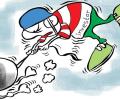
From the Sensex pack, Eternal, Bharat Electronics Ltd, Trent, Axis Bank, State Bank of India, Bajaj Finance, Sun Pharmaceuticals, Asian Paints, Adani Ports, Hindustan Unilever, Reliance Industries, ITC, PowerGrid, Tata Motors Ltd's Commercial Vehicles business, and Bajaj Finserv were the gainers. Infosys, Tata Motors Passenger Vehicles, Tata Steel, ICICI Bank, Tech Mahindra, Titan, UltraTech Cement, Maruti Suzuki India, and Larsen & Toubro were the laggards.

From the 30-Sensex firms, Trent, Infosys, Bharti Airtel, Tech Mahindra, Bharat Electronics and Maruti were among the biggest gainers. However, State Bank of India, Kotak Mahindra Bank, Larsen & Toubro and Titan were the laggards.
The Indian rupee depreciated by 52 paise to settle at 93.35 against the US dollar, driven by failed US-Iran peace talks, surging crude oil prices due to a potential US blockade of Iranian ports, and a global flight to the greenback. This geopolitical uncertainty is also leading to foreign capital withdrawal from domestic equities.

From the 30-Sensex firms, Eternal, Infosys, Asian Paints, UltraTech Cement, Bajaj Finance, HCL Tech and Titan were among the biggest laggards. However, Tata Steel, Mahindra & Mahindra, Bajaj Finserv and Axis Bank were among the biggest gainers.
The Indian rupee weakened against the US dollar due to a strengthening dollar, high crude oil prices, and foreign fund outflows amid geopolitical uncertainties.

The BSE Sensex has been one of the top-performing areas of investment in the past 40 years, consistently delivering double-digit returns in rupee terms, beating assets such as global equities, precious metals, and fixed income.
From the Sensex firms, Bharat Electronics, Mahindra & Mahindra, Titan, NTPC, State Bank of India, Adani Ports, Tata Motors Passenger Vehicles and Bajaj Finserv were among the major laggards. Tata Consultancy Services, ICICI Bank, Infosys and HDFC Bank were among the gainers.

The Indian rupee weakened to a record intra-day low against the US dollar due to a strengthening greenback, continuous foreign capital outflows, and elevated global crude oil prices amidst the West Asia conflict.
Among Sensex firms, Tata Steel, HCL Tech, UltraTech Cement, Bharat Electronics, Sun Pharma and Tata Consultancy Services were the major gainers. However, Axis Bank, Titan, Maruti and Tata Motors were among the laggards.

Domestic institutional investors, on the other hand, made a net investment of Rs 1.13 trillion during this period.

Among Sensex firms, Bajaj Finance, ICICI Bank, Hindustan Unilever, Bajaj Finserv, HCL Tech and HDFC Bank were the major gainers. However, Maruti, Eternal, UltraTech Cement and State Bank of India were among the laggards.

Indian equity investors experienced a significant loss of 16.32 lakh crore due to a two-day stock market decline fueled by escalating geopolitical tensions involving the US, Israel, and Iran.

Among the Sensex constituents, Bharat Electronics Ltd, Eternal, Trent, Tata Steel, Bajaj Finance, Adani Ports, Bajaj Finserv, State Bank of India, PowerGrid, Asian Paints, Tata Motors Passenger Vehicles, Titan, NTPC, Kotak Mahindra Bank, Larsen & Toubro and Bharti Airtel were among the laggards. Tech Mahindra, HCL Technologies, Reliance Industries and HDFC Bank were the only gainers.

Benchmark indices tumbled about 2 per cent on Friday, capping one of the most turbulent weeks for domestic equities as investors fretted that the West Asian conflict could drag on for weeks or even months.

From the Sensex firms, Adani Ports, Bharat Electronics, Eternal, Tata Motors Passenger Vehicles, State Bank of India and Kotak Mahindra Bank were among the biggest gainers. However, ITC, Bajaj Finance, Titan and Tech Mahindra were the laggards.

Benchmark stock indices Sensex and Nifty dived sharply by nearly 2 per cent on Sunday after Finance Minister Nirmala Sitharaman proposed a hike in the Securities Transaction Tax (STT) on derivatives. Reversing the early gains, the 30-share BSE Sensex plunged sharply by 2,370.36 points or 2.88 per cent to slide below the 80,000-mark at 79,899.42 in afternoon trade as the finance minister announced a hike in STT on futures contracts to 0.05 per cent from the current 0.02 per cent.
The Indian rupee rebounded against the US dollar following intervention by the Reserve Bank of India, amidst ongoing concerns about foreign capital outflows, rising crude oil prices, and geopolitical instability.
Among Sensex firms, Tata Steel, Eternal, UltraTech Cement, Larsen & Toubro, Maruti and Bharti Airtel were the major gainers. However, Hindustan Unilever, Sun Pharma, ITC and Asian Paints were among the laggards.
Among the Sensex constituents, Eternal, Trent, Bharti Airtel, Infosys, Tech Mahindra, UltraTech Cement, ICICI Bank, HDFC Bank, Bajaj Finance, Tata Consultancy Services, Bharat Electronics Ltd, Larsen & Toubro and Tata Motors Passenger Vehicles were the laggards. However, Tata Steel, Sun Pharmaceuticals, ITC, NTPC, Reliance Industries, HCL Technologies, PowerGrid, and Asian Paints were among the gainers.

Among the Sensex constituents, Eternal, Tata Steel, Kotak Mahindra Bank, UltraTech Cement, Maruti Suzuki India, Sun Pharmaceuticals, Tech Mahindra, HDFC Bank, Tata Motors Passenger Vehicles, Infosys, Trent, Mahindra & Mahindra, Reliance Industries and HCL Technologies were the gainers. However, Asian Paints, Bharti Airtel, Bajaj Finance, PowerGrid, Axis Bank, ICICI Bank and Titan were among the laggards.

Among Sensex firms, Bajaj Finserv, ICICI Bank, Reliance Industries, Bajaj Finance, Larsen & Toubro and Bharat Electronics were the major gainers. However, Power Grid, Eternal, Hindustan Unilever and Adani Ports were among the laggards.

The Indian rupee rebounded against the US dollar after the Reserve Bank of India (RBI) restricted banks' net open positions in dollars. This move prompted banks to sell dollars, providing temporary support for the rupee amidst ongoing geopolitical tensions and rising oil prices.
 © 2026 Rediff.com - Advertise with us - Disclaimer - Privacy Policy - Sitemap - Feedback - About us - Terms of use - Grievances